I will always be an active supporter of the design thinking methodology. I have conducted seminars on design thinking and lean UX and adapting this methodology to our work. There is nothing wrong with this methodology itself. However, over the past few years, it has annoyed me immensely, as I have witnessed it being treated rather harshly.
What is going on?
We designers want to grow and learn from other talented and creative people, push boundaries, and hone our skills. However, the reality is that design thinking has encouraged the democratization of design, where solo creativity in a rapidly changing and multitasking environment is often mixed with employees and clients who have very little experience in design. We are creating an environment that undermines creativity skills, because we need to improve the practice of solving critical problems combined with imagination and elegant execution through design, project implementation, and testing. We should want more, but often we settle for “pretty good.” Graphic design, motion, and emotional design are typically underappreciated ingredients that take up less and less space in design thinking, as most of the design process is spent on functional needs. The irony is that graphic design is extremely important for success and gaining a unique position in the market.
The collapse of collaborative design in design thinking
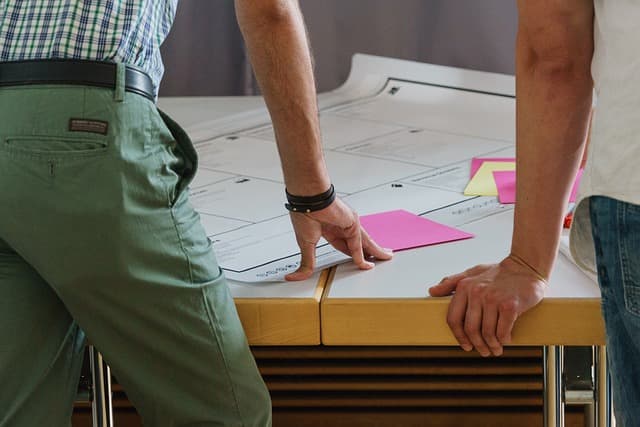
Design thinking can be summarized as: collaboration, understanding, problem solving, creation, and testing. This can usually be considered an excellent process. Collaborative design is a very valuable force when several experts work together to solve a problem. However, the problem is that critical problem-solving and design skills seem to evaporate when too many team members and/or project participants are involved in the process. Collaborative design with many people takes a lot of time. When the team thinks they have found “gold” together, they are only at the tip of the iceberg, but they often rush to develop the idea.
Collaborative design and group brainstorming often fail because our minds are limited by the knowledge we have at that moment.
A conceptual meeting usually lasts a few hours a day, but the deep work has only just begun and requires more time and testing. Now begins the real phase of idea formation and research with the help of dedicated practitioners who can explore and exchange information from multiple sources and share their experiences. The deeper the research through design development and testing by a close-knit team of creative designers, the greater the chances of obtaining a unique product and an incredible experience.
The main source of the problem
Design thinking is often associated with large groups of stakeholders who want to immerse themselves in the entire design and development process. Creatives have to spend a lot of time involving their team in this process, which can significantly distract them from the actual design and production work. Teams often settle for discovering the tip of the iceberg. So much time and money has already been spent on the solution-finding stage that we end up having to create mediocre solutions. Over time, this can be a motivation killer for any creator trying to find meaning in their work. Designers and creatives are only as good as the team around them. If a talented designer has to spend 80% of their time training others or constantly explaining every decision to project participants, their skills will deteriorate. Many times I have seen inexperienced designers left with a client and team without experienced mentors, forced to spend time on work unrelated to design. The art of problem solving, unconventional thinking, and craftsmanship are dying in certain industries of our digital world.
Excellent design solutions require time and a dedicated team of creative individuals who constantly push each other. Research and testing are crucial for shaping ideas. Creative culture and connection are important for increasing motivation and a sense of purpose.